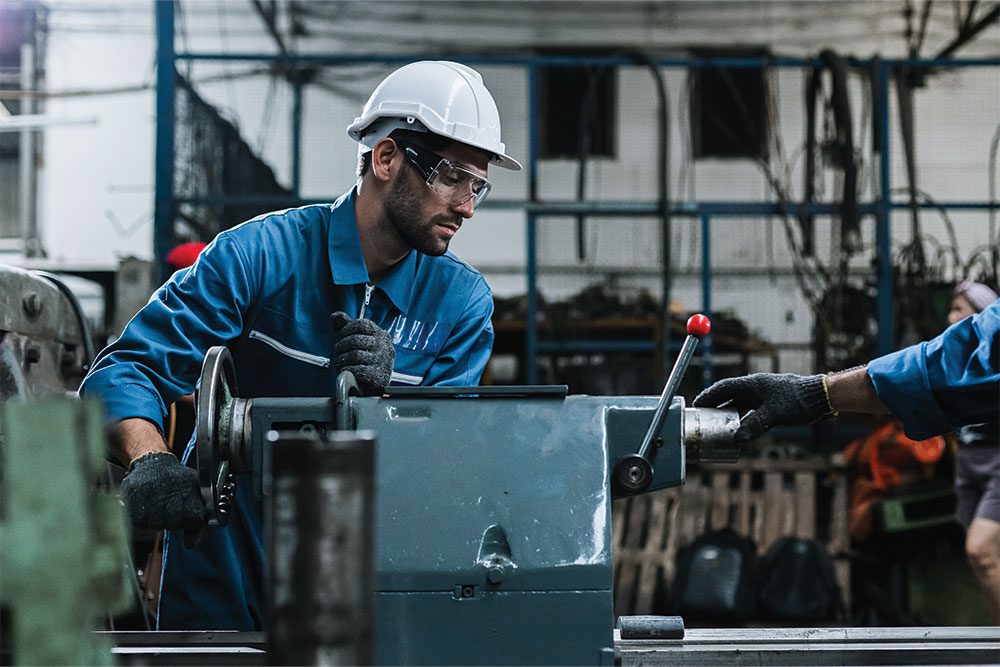
Workplace safety is a fundamental responsibility for any organisation that uses machinery, tools, or equipment as part of its daily operations. Across industries such as manufacturing, construction, logistics, engineering, and facilities management, the correct use of work equipment is critical to protecting employees and maintaining efficient operations. PUWER training plays a central role in achieving this by ensuring that anyone who uses, supervises, or manages work equipment understands how to do so safely and responsibly.
PUWER training focuses on the safe use of work equipment and the responsibilities placed on employers and employees alike. It ensures that equipment is suitable for its intended purpose, maintained in safe working order, and used only by individuals who have received adequate instruction and training. Without proper PUWER training, even well-designed and well-maintained equipment can become a serious risk, leading to accidents, injuries, and costly downtime.
One of the most important reasons PUWER training is essential is its role in preventing workplace accidents. Many incidents involving work equipment are not caused by mechanical failure, but by incorrect use, lack of awareness, or poor understanding of hazards. PUWER training helps workers recognise risks associated with machinery, understand safe operating procedures, and develop the confidence to use equipment correctly. This knowledge significantly reduces the likelihood of accidents and near misses.
PUWER training also helps establish consistency across the workplace. In environments where multiple people use the same equipment, inconsistent practices can quickly lead to unsafe conditions. Proper training ensures that everyone follows the same procedures and understands the same safety standards. This consistency is particularly important in larger organisations or sites with shift work, where equipment may be used by different individuals throughout the day.
Legal compliance is another key aspect of PUWER training. Employers are required to ensure that work equipment is used only by people who have received appropriate training. In the event of an inspection or investigation, evidence of PUWER training is often a critical factor. Clear training records demonstrate that an organisation has taken reasonable steps to protect its workforce and comply with safety obligations. Without this evidence, businesses may face enforcement action, fines, or reputational damage.
Beyond compliance, PUWER training contributes to building a strong safety culture. When employees understand why safety procedures exist and how equipment can pose risks, they are more likely to take those procedures seriously. Training encourages a proactive approach to safety, where workers feel responsible not only for their own wellbeing but also for that of their colleagues. PUWER training helps embed safety awareness into everyday behaviour rather than treating it as an occasional requirement.
Another important benefit of PUWER training is improved confidence among employees. Workers who feel properly trained are more comfortable using equipment and less likely to make mistakes caused by uncertainty or guesswork. This confidence can lead to better productivity, as tasks are completed more efficiently and with fewer interruptions. It also encourages employees to report faults, ask questions, and raise concerns before issues escalate into serious problems.
PUWER training is particularly important when new equipment is introduced into the workplace. New machinery often comes with unfamiliar controls, hazards, and operating procedures. Without adequate training, employees may rely on assumptions based on previous experience, which can be dangerous. PUWER training ensures that workers understand the specific risks and requirements of each piece of equipment, reducing the likelihood of accidents during transition periods.
The importance of PUWER training also extends to changes in working practices. Even when equipment remains the same, changes in processes, materials, or workload can introduce new risks. Regular training helps ensure that employees remain aware of these changes and understand how they affect safe equipment use. PUWER training supports ongoing learning rather than a one-off approach to safety.
Maintenance and inspection are closely linked to safe equipment use, and PUWER training helps employees understand their role in this process. Workers who are trained are more likely to recognise early signs of wear, damage, or malfunction. Reporting these issues promptly can prevent breakdowns and reduce the risk of injury. PUWER training therefore supports not only safety but also the longevity and reliability of equipment.
Another critical aspect of PUWER training is its relevance to supervision and management. Managers and supervisors have a responsibility to ensure that safe systems of work are followed and that equipment is used correctly. Training helps them understand their duties, identify unsafe practices, and intervene when necessary. This leadership role is essential for maintaining high safety standards and reinforcing the importance of proper equipment use.
PUWER training is also valuable for contractors, agency workers, and temporary staff. These individuals may not be familiar with site-specific equipment or procedures, which can increase risk. Providing appropriate training ensures that everyone on site operates to the same safety standards, regardless of employment status. This inclusive approach reduces gaps in knowledge and helps maintain a safer working environment overall.
From a financial perspective, PUWER training can lead to significant cost savings. Workplace accidents often result in lost productivity, equipment damage, compensation claims, and increased insurance costs. By reducing the likelihood of incidents, training helps protect both employees and the organisation’s financial stability. PUWER training should therefore be viewed as an investment rather than an expense.
The benefits of PUWER training also extend to employee morale and retention. Workers are more likely to feel valued and supported when their safety is taken seriously. A workplace that prioritises training and wellbeing can attract and retain skilled staff, reducing turnover and the costs associated with recruiting and training new employees.
As workplaces continue to evolve, the need for effective PUWER training becomes even more important. Advances in technology, automation, and machinery introduce new risks alongside new efficiencies. Training ensures that employees keep pace with these changes and understand how to work safely in increasingly complex environments. PUWER training supports adaptability and resilience in the face of ongoing change.
Ultimately, PUWER training is about protecting people. It ensures that work equipment is used in a way that minimises risk and maximises safety. It supports compliance, improves efficiency, and fosters a culture where safety is integrated into everyday work. Organisations that prioritise PUWER training demonstrate a clear commitment to their workforce and to responsible, sustainable operations.
In a world where workplace safety expectations continue to rise, PUWER training remains a cornerstone of effective risk management. By ensuring that employees are properly trained, informed, and supported, organisations can create safer, more productive working environments where both people and equipment are protected.