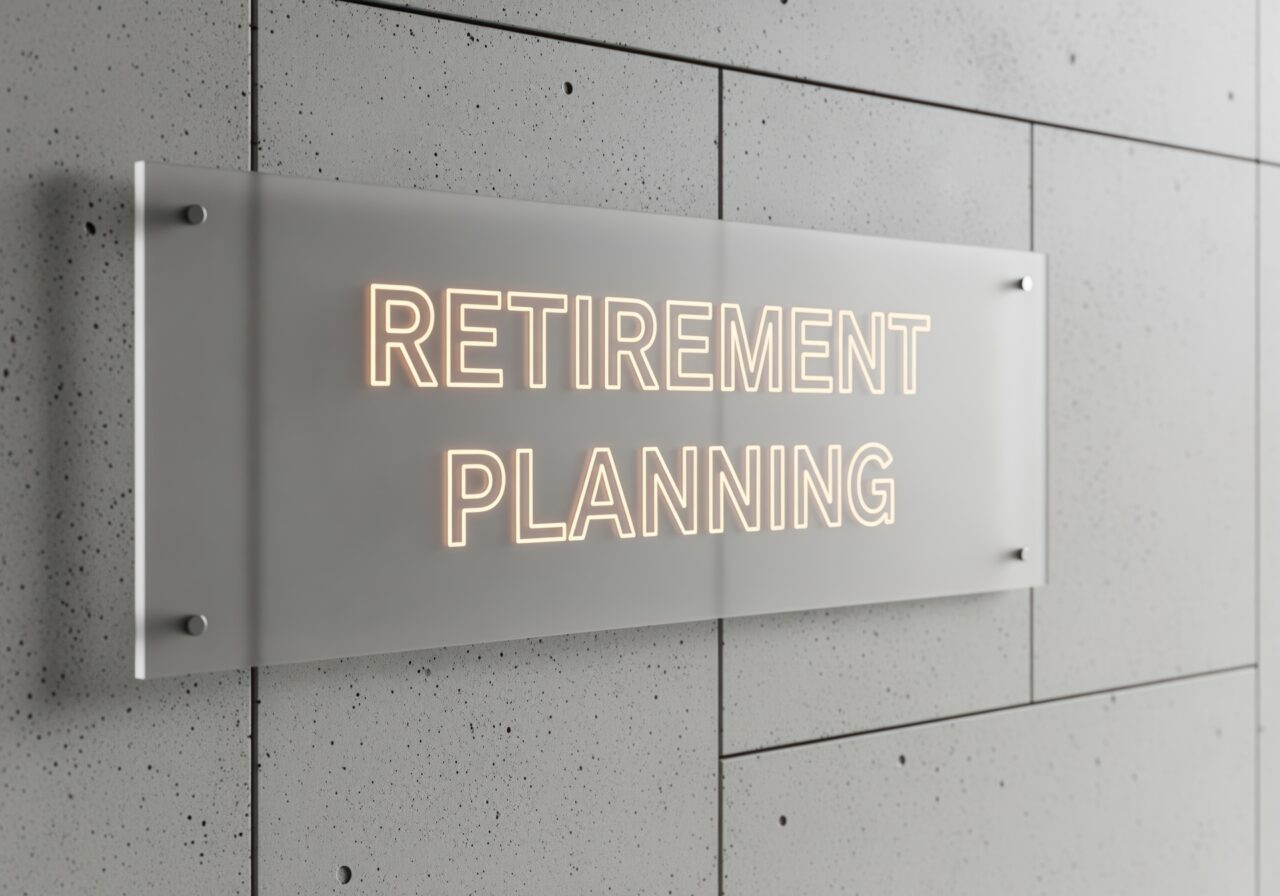
As technology continues to influence every aspect of the modern workplace, businesses are increasingly paying attention to how their physical environments reflect their brand, culture and professionalism. While much of today’s business activity may take place online, the importance of creating a strong visual presence within an office environment remains significant. From welcoming visitors and clients to reinforcing company identity among employees, workplace branding continues to play an important role in how organisations present themselves.
One of the most effective ways to achieve this is through the use of illuminated office signs. Combining modern design with practical functionality, illuminated signage has become a popular choice for businesses seeking to create attractive, professional and memorable workspaces. As office environments become increasingly sophisticated and technology-driven, illuminated signs offer a solution that aligns perfectly with the expectations of modern organisations.
The first impression created by an office can have a lasting impact. Whether welcoming clients, investors, suppliers or prospective employees, the reception area often serves as the first physical interaction people have with a business. An attractive and professionally designed sign immediately communicates attention to detail, confidence and credibility. In many cases, illuminated office signs become a focal point within reception areas, helping establish a strong visual identity from the moment visitors enter the building.
Unlike traditional signage, illuminated solutions add depth and visual impact through carefully integrated lighting. This creates a premium appearance that can help elevate the overall look of an office space. The subtle glow produced by modern lighting systems adds a level of sophistication that is difficult to achieve through conventional signage alone.
Technology businesses in particular often place a strong emphasis on innovation and forward-thinking design. Their office environments frequently reflect these values through modern architecture, contemporary furnishings and advanced workplace technology. Illuminated office signs complement these environments perfectly by introducing an element of modern design that feels consistent with the broader technological theme.
Another reason illuminated signage has become increasingly popular is its ability to enhance brand visibility. Every organisation invests considerable effort in developing a recognisable brand identity. Logos, colours, typography and messaging all contribute to how a company is perceived by its audience. Bringing these branding elements into the physical workspace helps create consistency between online and offline experiences.
When visitors see the same visual identity represented throughout a website, marketing materials and office environment, it reinforces brand recognition and professionalism. Illuminated office signs help strengthen this connection by ensuring branding remains prominent and visually engaging throughout the workplace.
Modern LED technology has played a significant role in the growing popularity of illuminated signage. Today’s lighting systems are highly energy efficient while delivering exceptional brightness and reliability. This allows businesses to create striking visual displays without the high energy consumption associated with older lighting technologies.
Energy efficiency has become an increasingly important consideration for many organisations. Businesses are actively seeking ways to reduce operating costs while improving sustainability. LED-powered illuminated office signs align well with these objectives by offering long lifespans, low energy consumption and minimal maintenance requirements.
The versatility of illuminated signage is another key advantage. Modern manufacturing techniques allow signs to be produced in a wide range of styles, sizes and finishes. This flexibility enables businesses to create solutions that complement their existing office design while supporting specific branding objectives.
Some organisations prefer subtle and elegant signage that blends seamlessly into minimalist interiors. Others opt for larger statement pieces that create a dramatic visual impact. Illuminated signage can accommodate both approaches while maintaining a professional appearance.
Technology companies often place considerable emphasis on workplace culture and employee experience. Modern offices are increasingly designed not only to impress visitors but also to create environments where employees feel motivated, engaged and connected to the organisation’s mission.
Visual branding plays an important role in achieving this. Employees spend significant amounts of time within the workplace, and the environment around them can influence how they feel about the organisation they work for. Well-designed illuminated office signs help reinforce company identity and create a sense of pride among staff members.
The rise of hybrid working has also changed the way businesses think about office spaces. As organisations encourage employees back into physical workplaces, many are investing in office improvements designed to create more attractive and engaging environments. High-quality signage contributes to these efforts by helping transform ordinary spaces into professional and welcoming workplaces.
Wayfinding is another area where illuminated signage can provide practical benefits. Large office buildings, shared workspaces and multi-floor premises often require clear navigation systems to help visitors move around efficiently. Illuminated signs can improve visibility and ensure important information remains easy to locate.
This becomes particularly valuable in larger technology businesses where visitors may be attending meetings, interviews or events across different parts of the building. Effective signage helps create a smoother experience while reducing confusion and frustration.
The relationship between technology and workplace design continues to evolve. Smart offices increasingly incorporate advanced systems for lighting, climate control, access management and collaboration. Illuminated office signs fit naturally within these environments because they combine aesthetic appeal with modern technological capabilities.
Many contemporary signage solutions can even integrate with wider building systems, allowing lighting levels to be adjusted automatically or coordinated with other environmental controls. While these features may not be necessary for every organisation, they demonstrate how signage has evolved beyond its traditional role.
Visual communication remains an important aspect of workplace design. Businesses are constantly seeking ways to communicate their values, culture and professionalism through their physical environments. Signage represents one of the most visible and effective methods of achieving this.
For growing businesses, illuminated signage can also support expansion and brand development. As organisations move into larger premises or establish new locations, consistent branding becomes increasingly important. Illuminated office signs help create a recognisable identity that can be replicated across multiple offices and facilities.
This consistency contributes to stronger brand recognition while helping ensure visitors enjoy a familiar experience regardless of location. In competitive industries where reputation and professionalism matter, these details can make a meaningful difference.
The durability of modern illuminated signage also contributes to its appeal. Businesses want solutions that continue looking professional over the long term without requiring constant maintenance or replacement. Advances in materials and manufacturing have significantly improved the longevity of signage products, making them a reliable long-term investment.
Many organisations view office improvements as part of their wider brand strategy. The workplace itself serves as an extension of the brand, influencing perceptions among clients, employees and visitors alike. Illuminated office signs play an important role within this strategy by combining branding, design and functionality in a single solution.
The visual impact created by professional signage often extends beyond the immediate office environment. Visitors may photograph reception areas, share images on social media or include office visits within wider discussions about a business. Attractive signage therefore contributes not only to the in-person experience but also to broader brand exposure.
As workplace expectations continue to evolve, businesses are placing greater emphasis on creating environments that reflect innovation, professionalism and quality. Illuminated office signs help achieve these goals by providing a modern branding solution that aligns with contemporary workplace design trends.
For technology-focused organisations, the connection is particularly strong. The clean lines, advanced lighting technology and premium appearance associated with illuminated signage mirror the qualities often associated with successful technology businesses themselves. The result is a cohesive visual experience that reinforces key brand values while creating a positive impression on everyone who enters the workspace.
Ultimately, illuminated office signs represent far more than simple branding tools. They contribute to workplace identity, enhance visitor experiences, support employee engagement and strengthen overall brand perception. Through the combination of modern technology, thoughtful design and practical functionality, they have become an essential component of contemporary office environments.
As businesses continue to invest in creating professional, attractive and technologically advanced workplaces, the role of illuminated office signs is likely to become even more important. Their ability to combine visual impact, energy efficiency, durability and brand reinforcement makes them a valuable addition to virtually any modern office environment, particularly within the fast-moving and highly competitive technology sector.