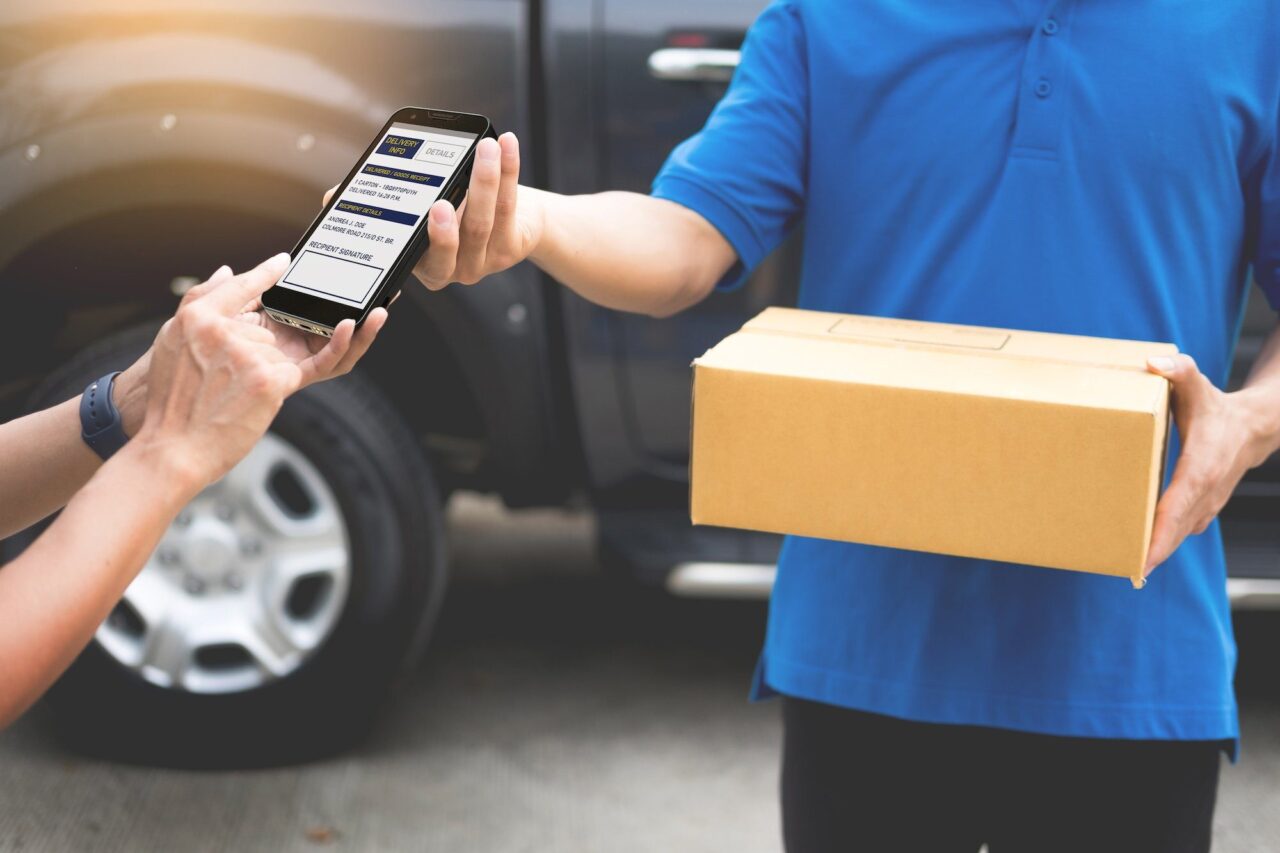
The manner in which individuals purchase products has been revolutionised by online shopping; however, their expectations regarding the moment they click “buy” have varied. A purchase is no longer the conclusion of the transaction; it is the commencement of a waiting period during which the buyer desires to be informed of the precise location of their parcel, the anticipated arrival date, and any issues that may have arisen during the process. This is the reason why real-time parcel tracking has become one of the most highly regarded features of contemporary delivery, and why services like Itella tracking have become so popular among purchasers who desire visibility from the moment an order is dispatched until it arrives at their doorstep.
The Transition from Passive Waiting to Active Monitoring
A decade ago, the process of tracking a parcel typically involved only reviewing a single static update once a day, if at all. Buyers would receive a dispatch confirmation and receive no further communication until the item arrived, or, in the worst-case scenario, failed to arrive. This absence of information induced anxiety, particularly in the context of time-sensitive or valuable purchases. In the present day, buyers anticipate consistent, detailed updates, and platforms that provide this, such as Itella tracking, have established a new benchmark for the definition of “good service.”
Real-time tracking’s appeal is its capacity to transform a passive experience into an active one. Buyers can access an application or website to view the precise location of a parcel, the courier responsible for its delivery, and an estimated arrival time that is updated in response to changing circumstances, rather than pondering its whereabouts. The transition from passive waiting to active monitoring has significantly altered consumer expectations, and platforms such as Itella tracking have become essential for meeting them.
Reducing Anxiety and Establishing Trust
A reduction in anxiety is one of the most significant psychological factors contributing to the popularity of real-time monitoring. Uncertainty is distressing, and the uncertainty of when a parcel will arrive or whether it has been lost can result in genuine stress, particularly for gifts, medical items, or business-critical deliveries. By providing buyers with continuous assurance that their item is progressing as anticipated, real-time monitoring mitigates a significant portion of this uncertainty.
This assurance fosters trust in both the courier and the retailer. When a consumer utilises a service such as Itella tracking and observes consistent, precise updates, they begin to associate that dependability with the retailer that selected it. Retailers who collaborate with reliable tracking platforms frequently observe an immediate increase in customer loyalty and repeat business, as this type of trust is exceedingly challenging to acquire and effortlessly to forfeit.
Control and Convenience in Daily Life
Real-time monitoring also provides buyers with a practical advantage: the ability to manage their own schedules. People are able to organise their day by knowing that a parcel will arrive within a specific time frame, as opposed to “sometime today.” In the event that their plans are unexpectedly altered, they have the option to redirect the parcel to a collection point, ask a neighbour to accept the delivery, or schedule to be at home.
Buyers frequently have the ability to modify their delivery instructions in real time on platforms that provide real-time updates, such as Itella tracking. This may involve rescheduling for a more convenient day, requesting that a cargo be left in a secure location, or altering the delivery address. This level of control alters the balance of power between the courier and the customer, transforming delivery from an event that occurs to something that the buyer actively manages.
Transparency in the Event of Mistakes
Weather, traffic, high volumes, or simple human error are all potential causes of delays or complications, as no delivery system is flawless. The transparency with which those problems are communicated is what distinguishes a good tracking experience from a poor one, rather than the absence of problems. Buyers are significantly more tolerant of delays when they comprehend the cause and can observe that an effort is being made to rectify the situation.
This is where real-time platforms, such as Itella tracking, excel, as they offer continuous visibility, even in the event of an error. These systems can identify the issue, provide a revised estimate, and provide an explanation of the cause if feasible, rather than requiring a buyer to infer the reason for a parcel’s halt in transit. This transparency serves to prevent the escalation of frustration into complaints and to demonstrate respect for the buyer’s time and attention.
The Function of Proactive Updates and Notifications
Real-time monitoring encompasses more than just buyers visiting a webpage at their leisure; it also involves the platform proactively contacting them. Buyers are informed without the necessity of actively seeking updates through automated notifications, such as text messages, emails, or app alerts. Modern tracking services are distinguished from older, more static systems by this proactive communication, which is one of their defining features.
These notifications are frequently employed by services such as Itella tracking to indicate critical milestones, including dispatch from the warehouse, arrival at a local depot, transfer onto a delivery vehicle, and final delivery. Each of these updates provides the buyer with a sense of progress and momentum, thereby enhancing the perception that their parcel is progressing consistently toward them rather than remaining in an unknown location.
Fulfilling the Expectations of a Connected Generation
Buyers have become accustomed to receiving immediate information in nearly every aspect of their lives, including the ability to track the location of a taxi in real time and track the status of a food order. The natural extension of this cultural shift toward immediacy to parcel deliveries is evident. A generation that has grown up with smartphones and constant connectivity finds it peculiar, if not downright frustrating, that a delivery service is unable to provide the same level of detail as other everyday applications.
This is precisely the reason why platforms that provide real-time tracking, such as Itella tracking, have been so widely adopted. Buyers are met where they are already, on their phones, checking updates between other duties, rather than being required to make a phone call to a customer service line or wait for an email that may or may not arrive on time. Modern digital habits are perfectly aligned with the convenience of having tracking information that is readily available, updated automatically, and easy to interpret.
The Business Case for Real-Time Tracking
Although the buyer’s individual experience is a significant factor in the appeal of real-time monitoring, there is also a more comprehensive business case for retailers and couriers to implement such systems. The operational costs of the businesses involved are reduced as a result of the decreased likelihood of buyers contacting customer support with apprehensive enquiries about the location of their parcels when they are informed. A smoother experience and reduced overheads are the results of fewer support enquiries.
Furthermore, platforms such as Itella tracking frequently produce valuable data that businesses can leverage to enhance their logistics operations. In order to enhance future services, it is possible to analyse courier performance, common causes of delay, and delivery time patterns. This generates a feedback cycle in which higher tracking accuracy results in improved logistics, which in turn leads to even greater tracking accuracy over time.
In conclusion,
The emergence of real-time parcel tracing is indicative of a more extensive shift in the expectations of buyers regarding the delivery process. Buyers of today are no longer satisfied with passively anticipating the arrival of a package; they desire visibility, control, and assurance at each stage of the journey. This demand has been met by platforms such as Itella tracking, which provide transparent communication, proactive notifications, and continuous updates when issues arise. The outcome is a delivery experience that is more akin to a managed, informed process than an act of faith. It appears that real-time tracking will continue to be not only a helpful addition, but an essential feature of modern retail logistics, as buyer expectations continue to rise.