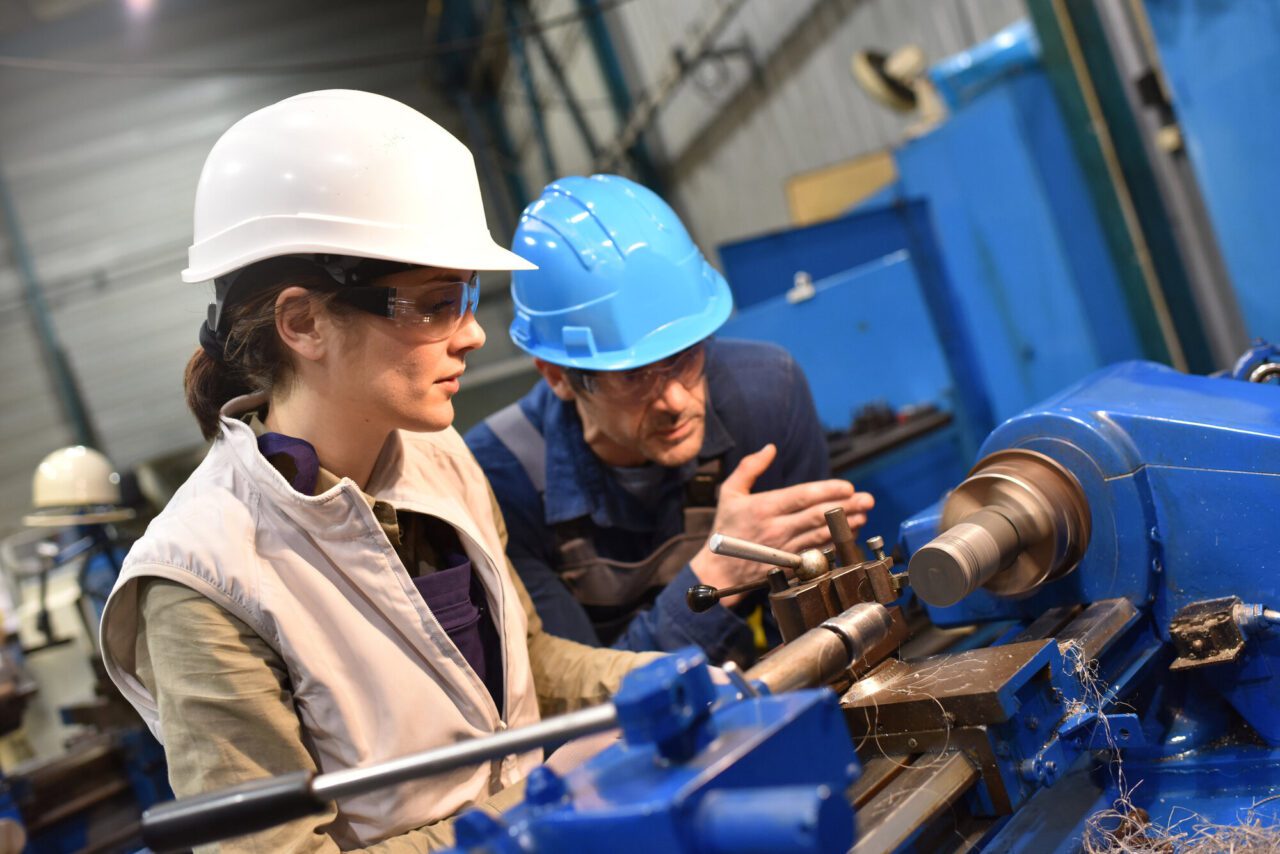
PUWER training plays a fundamental role in ensuring that workplaces using machinery, tools or equipment operate safely and legally. PUWER refers to the Provision and Use of Work Equipment Regulations, a set of requirements designed to ensure that all equipment used at work is suitable, maintained and operated safely by competent individuals. PUWER training helps workers and employers understand what the regulations mean in practice, how to meet their responsibilities and how to reduce the risks associated with equipment use. As workplaces continue to evolve, and as machinery becomes more advanced, PUWER training remains a crucial part of maintaining a safe and efficient working environment.
One of the main reasons PUWER training is essential is that it supports a clear understanding of what constitutes safe equipment use. Although many workers have experience operating machinery, experience alone is not enough to ensure compliance. PUWER training provides the knowledge needed to recognise whether equipment is appropriate for a task, whether it is safe to use and what actions should be taken if faults or defects are found. Understanding these expectations helps prevent accidents caused by unsuitable or poorly maintained equipment and empowers employees to identify issues before they escalate.
PUWER training also explains the legal responsibilities of both employers and employees. The regulations require employers to ensure that work equipment is suitable, properly maintained and inspected as necessary. Employees must use equipment correctly, report problems and follow the procedures put in place to keep them safe. Without PUWER training, many workers may be unaware of the legal implications of failing to follow these obligations. The training clarifies what is expected of everyone involved and reduces the risk of non-compliance, which can lead to serious consequences in the event of an accident.
Another significant benefit of PUWER training is its focus on risk assessment. Every piece of work equipment carries potential hazards, whether mechanical, electrical, chemical or environmental. PUWER training teaches workers how to identify these hazards, evaluate the risks and understand which control measures are required to minimise them. This ability to assess risks accurately ensures that employees can make informed decisions when using equipment and can recognise when conditions are unsafe. Risk awareness is one of the strongest defences against workplace injury, and training helps integrate this awareness into daily routines.
Maintenance and inspection procedures are also integral to PUWER training. Equipment that is not kept in good working condition is far more likely to cause harm. PUWER training explains the importance of regular checks, appropriate servicing and correct documentation. Workers learn what signs of wear or malfunction to look for and how to report them promptly. This contributes to a proactive maintenance culture rather than a reactive one, reducing downtime, preventing breakdowns and supporting safer operations overall.
A further reason PUWER training is so valuable is that it promotes competence. Competence is not just about knowing how to switch equipment on and off; it involves having the skills, understanding and practical awareness to use equipment safely under various conditions. PUWER training helps develop competence by providing clear, structured learning that covers the principles of safe operation, the reasons behind safety measures and the correct processes to follow. Competent workers are more confident, make fewer mistakes and contribute to a more efficient workplace.
PUWER training also plays a vital role in building a strong safety culture across the organisation. When workers understand the importance of equipment safety and see it reflected in the training they receive, they are more likely to adopt positive behaviours. This includes using guarding, following procedures, reporting issues and avoiding shortcuts that place themselves or others at risk. A strong safety culture reduces accidents, improves morale and contributes to a more productive working environment. Training fosters this culture by reinforcing shared responsibility and highlighting the benefits of safe practices.
Communication is another important aspect strengthened through PUWER training. In any workplace where equipment is used, communication breakdowns can lead to serious incidents. PUWER training encourages clear communication between workers, supervisors and safety teams. Individuals learn how to express concerns, explain hazards and provide accurate information when reporting equipment issues. Improved communication reduces misunderstanding and ensures that everyone is aware of the status of equipment, upcoming maintenance or any changes to operational procedures.
Adaptability is also supported by PUWER training. Modern workplaces frequently introduce new equipment or upgrade existing machinery. Without proper training, workers may rely on outdated knowledge or assumptions when interacting with unfamiliar tools. PUWER training equips workers with the mindset and skills needed to adjust to new equipment safely. It emphasises that every change in equipment requires updated risk assessments, revised procedures and an understanding of how the new tools differ from previous ones. This adaptability promotes safety even in dynamic environments.
Emergency preparedness is another crucial advantage of PUWER training. Although the aim of the regulations is to prevent incidents, emergencies can still occur. Training ensures that workers know how to respond quickly and effectively, whether shutting down equipment, isolating power, evacuating the area or calling for assistance. Understanding emergency procedures reduces panic and confusion, helping to contain the situation and minimise harm.
PUWER training also helps workers appreciate the role of protective devices and safeguards. Many workplace injuries occur because guards are disabled, emergency stops are ignored or protective equipment is not used correctly. PUWER training emphasises why these measures exist and how they prevent injuries. When workers understand the purpose of a guard or sensor, they are far more likely to respect and use it. Training also helps them identify when safeguards are missing or damaged, allowing timely intervention before an accident occurs.
Another important element covered in PUWER training is the concept of suitability. Work equipment must be suitable not only for the task but for the environment and the operators. Training helps workers evaluate whether equipment is appropriate based on factors such as load capacity, environmental conditions, operator strength, stability and required precision. Suitability assessments help prevent misuse and ensure equipment remains safe under real working conditions. Understanding these considerations is essential in diverse industries where conditions can vary widely.
PUWER training also contributes to a more efficient workplace. When workers understand how to operate equipment safely, they also tend to operate it more effectively. Correct usage reduces wear and tear, improves productivity and supports a smoother workflow. Mistakes caused by improper operation can lead to downtime, costly repairs and lost output. Training minimises these disruptions and promotes a more reliable, predictable working environment.
Another advantage of PUWER training is that it encourages shared responsibility. Instead of relying solely on supervisors or safety officers, workers themselves become active participants in maintaining equipment safety. They learn that reporting defects is not an optional extra but an essential part of preventing accidents. This collective responsibility leads to earlier detection of problems and a more supportive working culture.
Finally, PUWER training is an investment in long-term organisational resilience. Regulations evolve, equipment changes and workplace expectations shift. Training keeps the workforce informed and capable of adapting to new standards and technologies. Organisations that take PUWER training seriously are better prepared to manage change, improve performance and protect their workers. Over time, this commitment leads to fewer incidents, lower costs and a stronger reputation for safety and reliability.
In conclusion, PUWER training is a vital component of workplace safety and compliance. It equips workers with the knowledge, skills and awareness needed to use equipment safely, understand regulatory responsibilities and identify hazards. It supports risk assessment, maintenance, communication and emergency response while fostering a strong safety culture. Whether in construction, manufacturing, warehousing or any environment where equipment is used, PUWER training provides the foundation for safe, efficient and legally compliant operations. By investing in this essential training, organisations protect their employees, strengthen productivity and ensure long-term safety across the workplace.