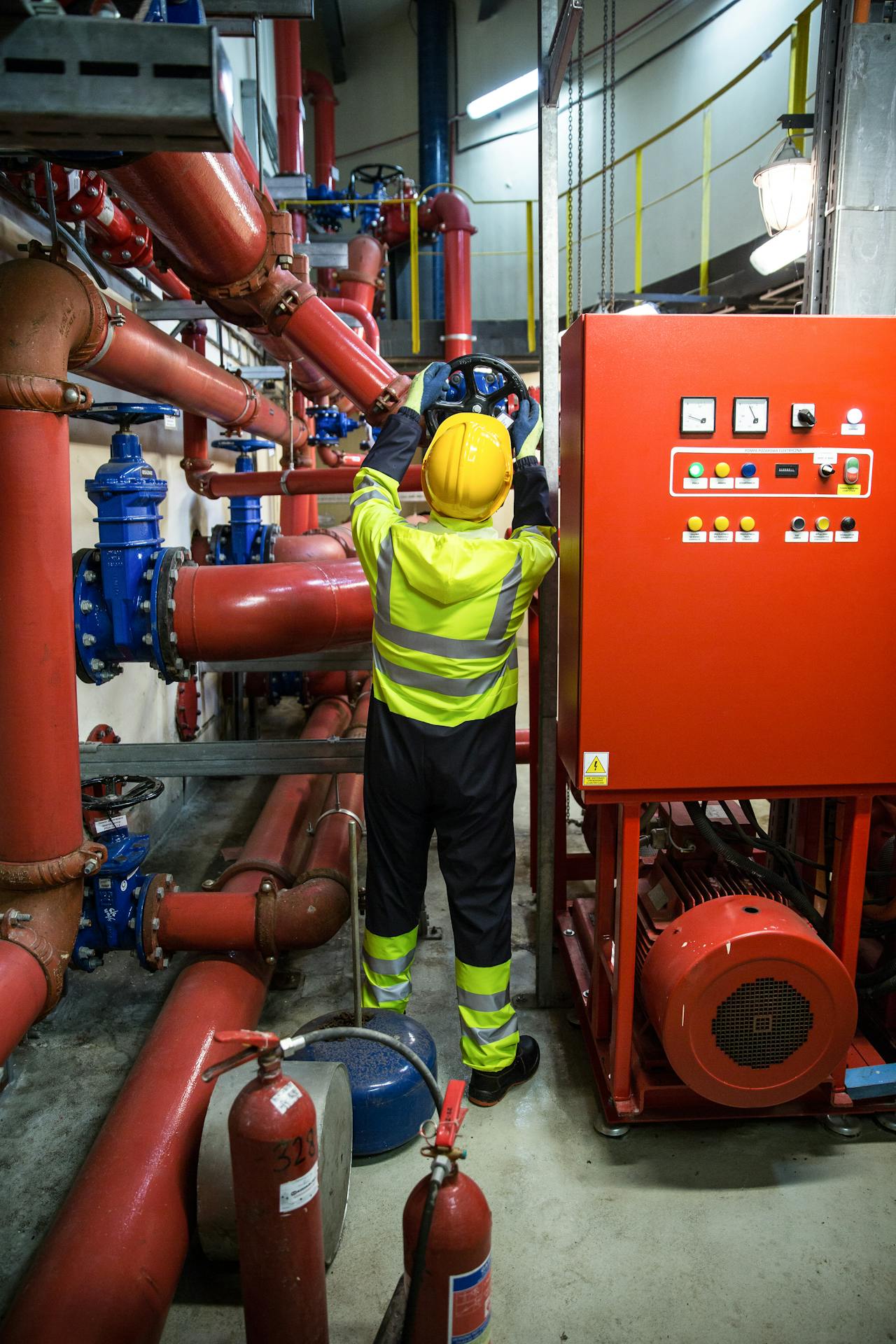
Pressure systems are integral to many industrial, commercial, and public environments, supporting processes that rely on compressed gases, steam, or pressurised liquids. From manufacturing plants and energy facilities to public infrastructure and building services, these systems enable efficiency and functionality that modern society depends upon. However, the energy stored within pressurised systems also presents significant risk if not properly controlled. This is where pressure systems safety regulations play a critical role, providing a structured framework to protect people, property, and the environment from potentially catastrophic failures.
At their core, pressure systems safety regulations exist to manage risk. Pressurised equipment contains energy that, if released suddenly, can cause serious injury, loss of life, and extensive damage. Explosions, ruptures, and uncontrolled releases can occur when systems are poorly designed, inadequately maintained, or improperly operated. Regulations are designed to minimise these risks by setting clear expectations around design standards, installation practices, inspection regimes, and operational controls. By enforcing consistency and accountability, they transform safety from a reactive response into a proactive discipline.
One of the most important aspects of these regulations is their emphasis on lifecycle safety. Pressure systems are not only assessed at the point of manufacture or installation; they are subject to ongoing oversight throughout their working life. This includes requirements for regular inspection, testing, and maintenance to ensure that components continue to perform as intended under pressure. Over time, materials degrade, seals wear, and operating conditions may change. Without regulatory oversight, these gradual changes could go unnoticed until failure occurs. Safety regulations ensure that deterioration is identified early and addressed before it becomes dangerous.
Design integrity is another cornerstone of pressure systems safety regulations. Regulations require systems to be designed to withstand specific pressures, temperatures, and environmental conditions, often incorporating safety margins to account for unforeseen stresses. This focus on engineering integrity reduces the likelihood of structural failure and ensures that systems remain robust even under demanding conditions. By mandating adherence to recognised design principles, regulations help prevent shortcuts that might compromise safety in favour of cost or speed.
Human safety is central to the importance of pressure systems regulation. Workers who operate, maintain, or work near pressurised equipment rely on these systems being safe by default. Regulations help ensure that hazards are identified and controlled, reducing the likelihood of accidents caused by human error or inadequate training. Clear regulatory requirements encourage organisations to provide appropriate instruction, supervision, and competence assurance, creating safer working environments where individuals understand both the risks and their responsibilities.
Pressure systems safety regulations also contribute significantly to public safety. Many pressurised systems are located in areas accessible to the public or serve essential public functions, such as heating, transportation, or energy supply. A failure in these contexts can have far-reaching consequences beyond the immediate workplace. By enforcing consistent safety standards, regulations help protect communities from incidents that could disrupt services, damage infrastructure, or pose widespread danger.
Environmental protection is another important consideration. Pressurised systems often contain substances that can be harmful if released, including gases, chemicals, or hot fluids. A rupture or leak may result in environmental contamination, air pollution, or harm to wildlife. Pressure systems safety regulations help prevent such incidents by requiring containment measures, safety devices, and controlled operating conditions. In doing so, they support responsible environmental stewardship alongside human safety.
The economic importance of pressure systems safety regulations should not be overlooked. Accidents involving pressurised equipment can result in costly repairs, operational downtime, legal liabilities, and reputational damage. By reducing the likelihood of failure, regulations help organisations avoid these financial consequences. Preventative maintenance and compliance may require investment, but this cost is typically far outweighed by the savings achieved through accident prevention and uninterrupted operations.
Another key benefit of regulation is the creation of clear roles and responsibilities. Pressure systems often involve multiple parties, including designers, installers, operators, and maintenance personnel. Safety regulations define who is accountable for different aspects of the system, reducing ambiguity and ensuring that critical tasks are not overlooked. This clarity supports better communication and coordination, which are essential in complex operational environments.
Pressure systems safety regulations also promote a culture of safety rather than complacency. In the absence of formal requirements, there can be a tendency to assume that systems are safe simply because they have operated without incident in the past. Regulations challenge this assumption by requiring regular review and reassessment of risks. This encourages organisations to remain vigilant, recognising that safety is an ongoing process rather than a one-time achievement.
Technological advancement further underscores the importance of robust regulation. As pressure systems become more sophisticated, incorporating automation, advanced materials, and higher operating pressures, the potential risks evolve. Safety regulations provide a structured means of integrating new technologies responsibly, ensuring that innovation does not outpace safety considerations. By adapting to technological change, regulatory frameworks help maintain protection in increasingly complex systems.
Training and competence are also reinforced through pressure systems safety regulations. Safe operation depends not only on equipment but on the people who interact with it. Regulations often require that individuals involved with pressure systems possess appropriate knowledge and skills. This focus on competence reduces the risk of errors that could compromise safety and empowers workers to identify and report potential issues before they escalate.
Another important aspect is the emphasis on documentation and record-keeping. Pressure systems safety regulations typically require detailed records of inspections, tests, maintenance activities, and modifications. These records provide a transparent history of the system’s condition and management. They support informed decision-making, enable trend analysis, and provide evidence of compliance. In the event of an incident, thorough documentation can also aid investigation and prevent recurrence.
Regulations also encourage the use of safety devices designed to prevent overpressure, such as relief mechanisms and control systems. These features act as safeguards when normal operating conditions are exceeded, providing an additional layer of protection. By mandating such measures, pressure systems safety regulations recognise that human error or unexpected conditions can occur and ensure that systems are designed to fail safely rather than catastrophically.
The importance of these regulations is further highlighted by the long lifespan of many pressure systems. Equipment may remain in service for decades, during which ownership, usage patterns, and regulatory expectations may change. Safety regulations provide continuity, ensuring that regardless of organisational changes, the fundamental principles of safe operation remain in place. This long-term perspective is essential for managing assets that continue to pose risk throughout their operational life.
Pressure systems safety regulations also contribute to consistency across industries. By establishing common standards, they reduce variation in safety practices and create a shared understanding of acceptable risk levels. This consistency benefits workers who move between sectors, regulators who oversee compliance, and organisations that operate across multiple sites. It fosters trust that systems are being managed to a recognised level of safety.
Beyond compliance, these regulations can act as a catalyst for improvement. Organisations that engage seriously with regulatory requirements often identify opportunities to enhance efficiency, reliability, and system performance. Improved maintenance practices, better monitoring, and clearer procedures not only improve safety but can also extend equipment life and optimise operation. In this way, safety regulations support overall operational excellence.
Ultimately, the importance of pressure systems safety regulations lies in their role as a protective framework. They acknowledge the inherent risks of pressurised equipment and provide practical, enforceable measures to control those risks. By safeguarding people, assets, and the environment, they underpin the safe functioning of critical systems that modern life depends upon.
In a world where pressure systems are essential yet potentially hazardous, regulation is not a bureaucratic burden but a vital safeguard. Pressure systems safety regulations embody the principle that safety must be designed, managed, and maintained with intention. Their continued importance reflects the need for vigilance, responsibility, and foresight in any environment where pressure is harnessed for human use.